A request for “custom MDF parts” is not enough for a dependable quotation. The factory needs to know what it is making, which drawing controls the work, what condition the parts must be supplied in and how the order will be checked and packed. The same rule applies to CNC-machined components, slatwall panels, acoustic panels and MDF presentation boxes.
What should an MDF manufacturing RFQ contain?
Start with the finished part or assembly, not a list of machine processes. Give the part name, intended use, finished dimensions, quantity and destination. State whether the request covers loose machined parts, labelled kits, assembled structures, finished products or another clearly defined scope.
If several parts belong to one assembly, include a bill of materials or numbered part schedule. Part numbers should match the drawings, quotation and packing labels.
Use a revision-controlled drawing
Provide an overall drawing and the individual part drawings needed for production. Mark the revision and date. Show the machining datum, orientation, holes, grooves, recesses, profiles, joints and any feature that interfaces with another component.
A photograph can explain appearance or use, but it does not control size. Ask the supplier which editable file format is suitable for review, and include a PDF that records the approved dimensions and notes.
Define the board instead of writing only MDF
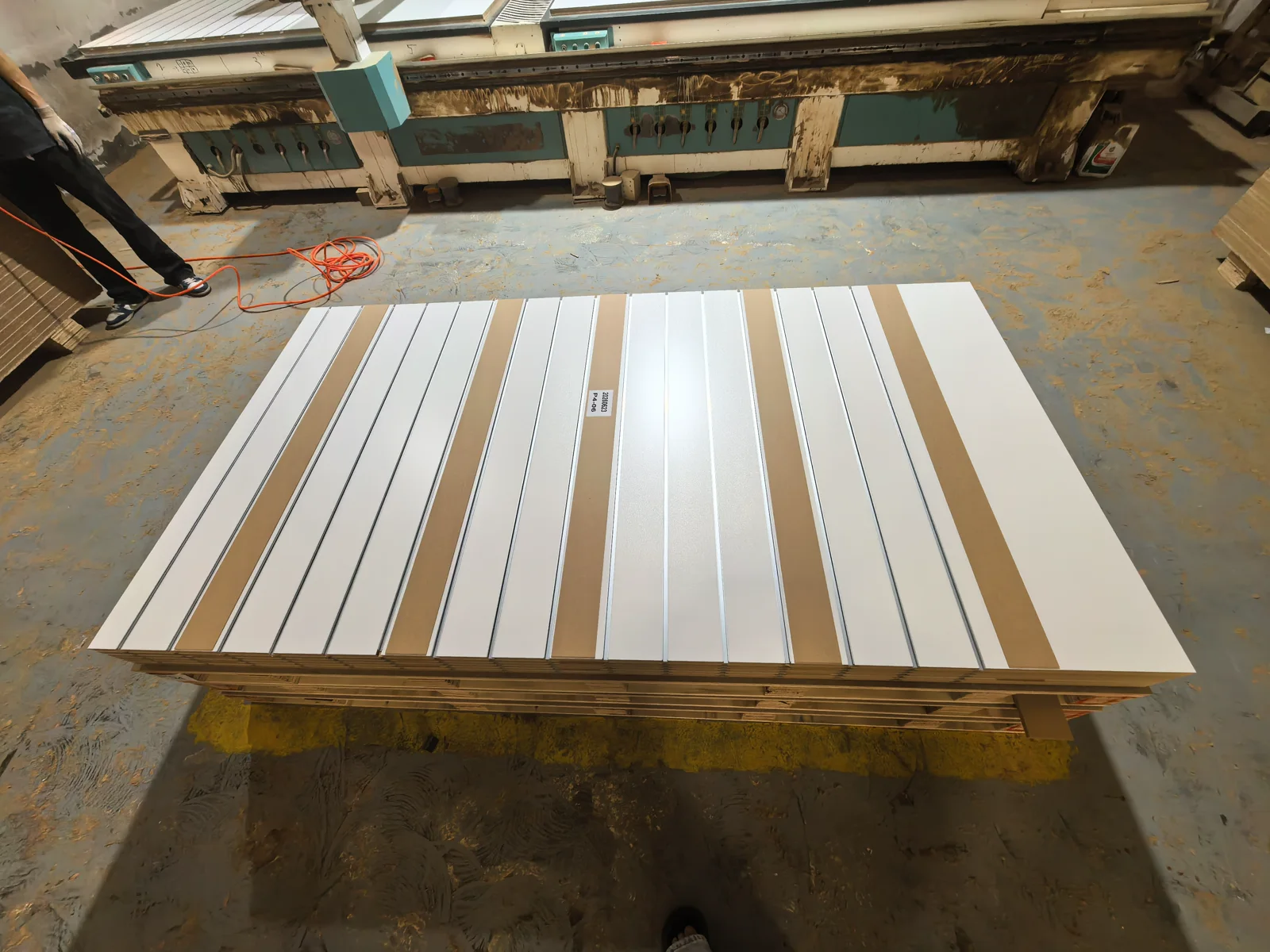
State the board type and nominal thickness for each part. YENC currently reviews work involving MDF, HDF, plywood and particle board. If density, emissions, moisture behaviour, fire performance or another property matters to the project, name the required grade, standard and acceptable evidence in the RFQ. Do not assume that a general material name proves compliance.
If substitution is allowed, say which properties must remain equivalent and who has authority to approve the change.
Identify functional tolerances
Mark the dimensions that affect assembly, hardware fit, panel alignment or appearance. These might include a first-groove position, an insert interface, a driver rebate, a lid fit or a row of mounting holes. A tight tolerance on every dimension can increase inspection and production cost without improving the finished product.
Where a supplied insert, fitting or product must fit the MDF part, provide its controlled drawing or an approved physical sample. A model number or catalogue image may not define the actual interface.
Describe visible surfaces and edges
List the visible face, exposed edges and surfaces that will be hidden after assembly. State whether the required condition is unfinished, sanded, sealed, painted, laminated, veneered, wrapped or prepared for another contractor. If colour matters, agree on a physical sample or another controlled comparison method before production.
Separate included and excluded work
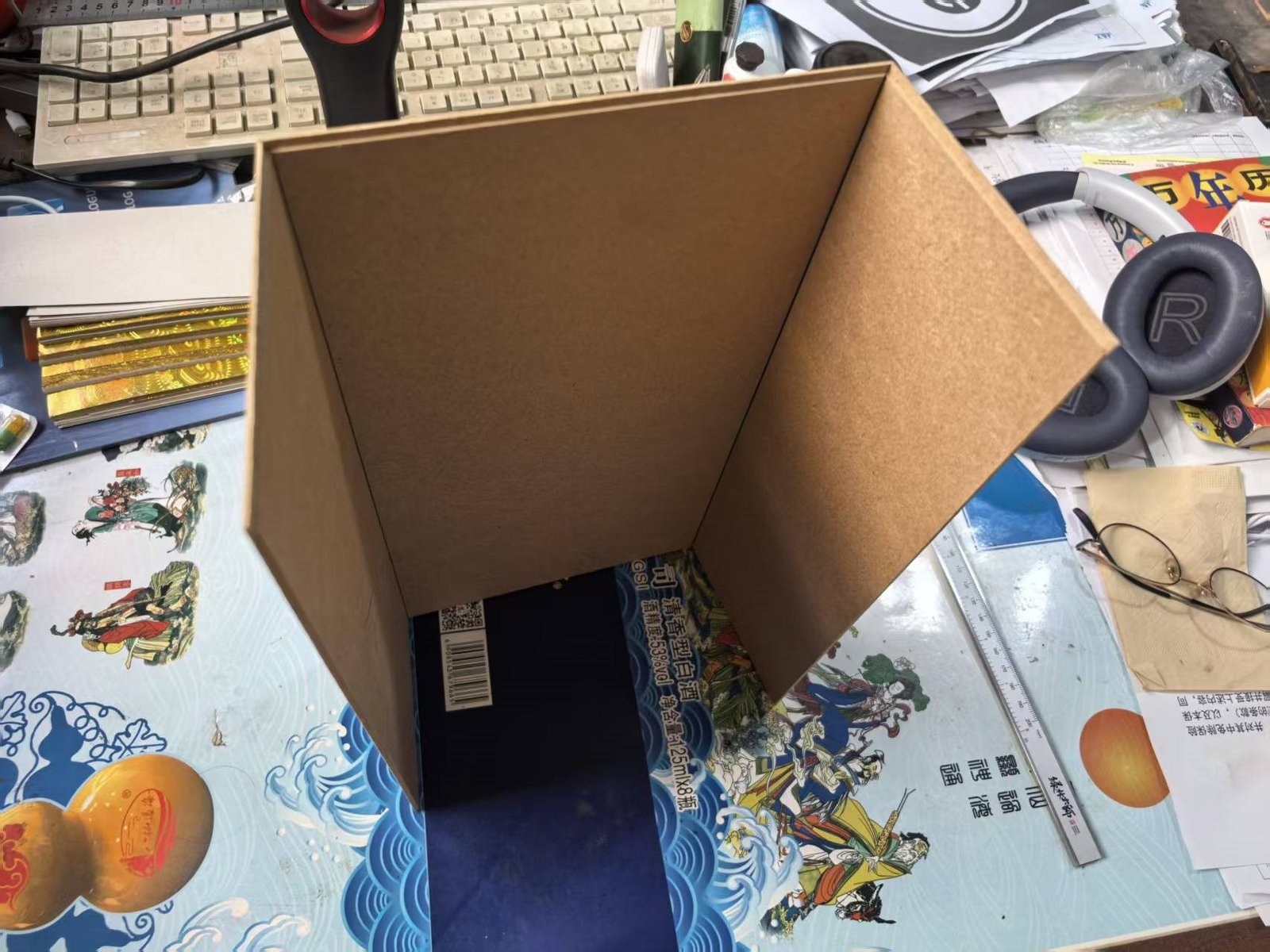
Write down who supplies inserts, hinges, magnets, fasteners, lining, backing and other bought-in parts. Confirm whether YENC is expected to machine only, assemble, apply a finish, install hardware, label sets or arrange export packing. Items that are not stated should not be assumed to be included.
This scope check is especially important when comparing quotations. A lower price may cover fewer operations, a different supply condition or less protective packing.
Give sample, quantity and approval information
Provide the prototype quantity and the expected production quantity separately. State whether a first article, finish sample or fit check is required before the production batch. If approval depends on a mating component, supply it early enough for the agreed check.
Custom work normally cannot be priced responsibly from a photograph alone. Material, dimensions, machining time, finish, bought-in parts, quantity, inspection and packing all affect the quotation.
Agree inspection evidence before production
List the dimensions and appearance points that need to be checked. State whether the order requires recorded measurements, labelled photographs, a first-article report or another agreed record. The inspection plan should follow the approved drawing and quotation scope.
Factory photographs and videos can show that a sample, machining step or packing operation existed. They do not by themselves prove a load rating, acoustic result, fire classification, emissions result or project approval. Ask for the specific evidence required by the destination project.
Include packing and destination details
Give the destination, shipment method and any carton, pallet, labelling or container restrictions known at the quotation stage. Finished faces, corners, machined edges and loose part sets need different protection. Packing added after production may be unsuitable for the product or too large for the planned shipment.
RFQ checklist
- Part name, intended use and required supply condition
- Revision-controlled drawings and numbered part schedule
- Board type and nominal thickness by part
- Machining datum, orientation and interface details
- Functional tolerances and required inspection records
- Visible surfaces, finish and exposed-edge treatment
- Buyer-supplied and factory-supplied hardware or inserts
- Prototype quantity, production quantity and approval steps
- Required standards and acceptable compliance evidence
- Labelling, packing, shipment method and destination
Where should the RFQ go next?
Use the product-specific pages to check the closest manufacturing scope: CNC-machined board components, MDF slatwall panels, grooved acoustic panels and MDF presentation boxes. Then send the drawing package, quantity and destination through the YENC contact page for a scope and manufacturability review.